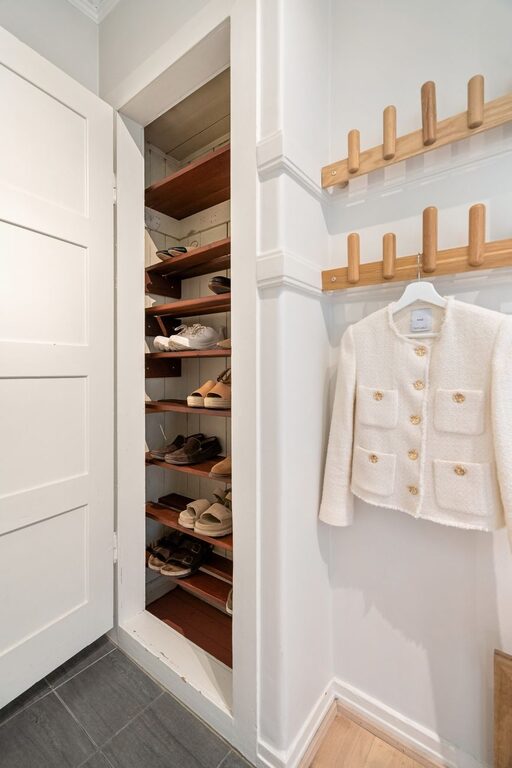
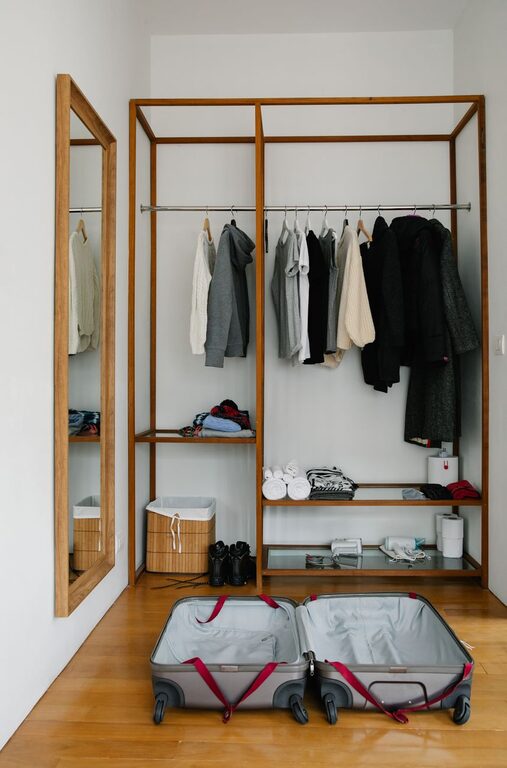
Storing seasonal clothes efficiently is essential for maintaining your wardrobe’s organization and ensuring your garments stay in great condition. Whether you’re packing away winter coats or stashing summer dresses, knowing how to store these items properly can save space, prevent damage, and make it easy to find what you need when the seasons change. In this post, we’ll explore practical strategies and helpful products to make your seasonal clothing storage simple and effective.
Why Efficient Storage Matters
When seasonal clothes are not stored properly, they can take up unnecessary space, become wrinkled, or suffer from damage like mold, mildew, or pest infestations. Efficient storage helps you:
– Maximize closet and storage space
– Keep clothes fresh and clean
– Protect fabrics from damage
– Simplify swapping out seasonal items
By following a few key steps and using the right tools, you can enjoy a clutter-free home and ready-to-wear clothes year-round.
Preparing Clothes for Storage
Before you pack away seasonal clothes, preparation is crucial. Clean and dry clothes are less likely to attract pests or develop odors.
Wash or Dry Clean
Always wash or dry clean your clothes before storing them. Dirt, sweat, and oils can attract insects and cause stains to set permanently.
– Follow care labels for washing instructions.
– Choose gentle detergents and avoid fabric softeners, which can leave residues.
– Make sure items are completely dry to prevent mold and mildew.
Repair and Sort
Check for any damage such as missing buttons, tears, or loose threads. Fix these issues before storing, so clothes are ready to wear next season.
Sort your clothes by type, material, or how often you use them. This organization makes packing and retrieval easier.
Remove Accessories
Take off belts, scarves, and other accessories to store separately. This prevents tangling and saves space.
Choosing the Right Storage Solutions
The type of storage you use plays a big role in keeping your clothes safe and accessible.
Containers and Boxes
– Plastic bins with airtight lids: Great for protecting clothes from moisture, dust, and pests. Clear bins allow you to see contents easily.
– Fabric storage bags: Breathable and gentle on delicate fabrics but not completely sealed against pests.
– Vacuum-seal bags: Helpful for compressing bulky items like winter coats and sweaters, but use cautiously with delicate fabrics.
Closet and Under-Bed Storage
– Garment bags: Ideal for hanging items like suits, dresses, and coats.
– Under-bed boxes or drawers: Utilize space under beds for lighter seasonal clothes.
– Shelf dividers and organizers: Keep folded clothes neat and visible on shelves.
Tips for Storing Different Types of Clothes
Different fabrics and clothing types require specific care.
Wool and Knits
– Store folded, not hung, to avoid stretching.
– Use cedar blocks or lavender sachets to deter moths.
– Keep in breathable fabric bags or boxes lined with acid-free tissue paper.
Cotton and Linen
– Wash and dry thoroughly.
– Fold and store in breathable containers.
– Avoid plastic bags to prevent yellowing.
Jackets and Coats
– Hang on sturdy, wide hangers to maintain shape.
– Use breathable garment bags.
– Ensure adequate space to prevent crushing.
Delicates and Silks
– Clean before storing.
– Wrap in acid-free tissue paper.
– Store flat or folded in soft, breathable bags.
Organizing for Easy Access
Creating a system makes switching seasonal wardrobes quick and hassle-free.
Label Everything
Label boxes and bags clearly with contents and season. Use a label maker or write on masking tape for clarity.
Keep Frequently Used Items Accessible
Store everyday seasonal clothes in an easy-to-reach spot. Items worn less often can be placed in more remote storage areas.
Rotate and Refresh
Every season, rotate your clothes by bringing stored items to the front and rechecking for damage or dirt. This habit keeps your wardrobe fresh and functional.
Additional Tips for Long-Term Storage
– Store clothes in a cool, dry place away from direct sunlight.
– Avoid basements or attics if they are prone to temperature fluctuations or moisture.
– Use moisture absorbers like silica gel packets to prevent dampness.
– Avoid overcrowding containers, which can cause wrinkles and fabric stress.
Final Thoughts
With a little planning and the right storage solutions, you can keep your seasonal clothes in excellent condition and your living spaces organized. Preparing your clothes properly, choosing suitable containers, and implementing an organized system helps protect your garments and saves time when the weather changes. Try these tips for your next seasonal wardrobe switch and enjoy a smoother, stress-free transition.
Happy organizing!
About the Author