Planning meals from pantry staples is a smart and efficient way to keep your kitchen stocked, reduce food waste, and prepare tasty meals quickly. Whether you’re aiming to save money, minimize grocery trips, or simply want to use what you already have, understanding how to plan meals from pantry staples can transform your approach to cooking.
In this guide, we’ll explore how to organize your pantry, identify versatile ingredients, and create meal plans that make the most of what’s on your shelves.
Why Plan Meals Around Pantry Staples?
Pantry staples are non-perishable or long-lasting ingredients such as rice, pasta, canned goods, spices, and dried beans. Planning meals around these staples offers several benefits:
– Convenience: You can cook without needing a last-minute grocery run.
– Cost-effective: Using what you have reduces impulse purchases.
– Reduced waste: You’ll use ingredients before they expire.
– Creative cooking: Encourages trying new recipes and flavor combinations.
Step 1: Take Inventory of Your Pantry
Start by knowing exactly what you have at home. Here’s how:
– Clear your shelves: Pull everything out so you can see all your items.
– Group similar items: Keep canned goods, grains, spices, and baking supplies together.
– Check expiration dates: Discard any expired or spoiled items.
– Note quantities: This helps when planning recipes.
You can keep a written or digital list to track your staples. Update it as you use ingredients or restock.
Step 2: Identify Versatile Pantry Staples
Certain pantry staples are the foundation for many meals. Here are some essentials often found in pantries and their common uses:
– Rice: Great for stir-fries, bowls, pilafs, and soups.
– Pasta: Quick base for sauces, salads, and casseroles.
– Canned beans: Ideal for chili, salads, and dips.
– Canned tomatoes: Used in sauces, stews, and soups.
– Broth or stock: Adds flavor to grains and soups.
– Spices and herbs: Transform simple staples into flavorful dishes.
– Flour: For baking, thickening sauces, or homemade bread.
– Oats: For breakfast, baking, or even savory dishes.
Step 3: Plan Balanced Meals
When planning meals from pantry staples, aim for balance by including proteins, carbohydrates, fats, and vegetables. Here’s how to do it with pantry items:
– Proteins: Use canned beans, lentils, canned tuna or salmon, and nuts.
– Carbs: Incorporate rice, pasta, quinoa, or potatoes.
– Fats: Olive oil, coconut oil, nuts, and seeds can add healthy fats.
– Vegetables: Use canned or frozen vegetables to complement your dishes.
Step 4: Create Your Meal Plan
Once you know your ingredients and desired meal balance, start planning:
– Pick a base: Choose a grain or pasta.
– Add a protein: Select beans, canned fish, or lentils.
– Incorporate veggies: Add canned or frozen vegetables.
– Flavor it up: Use your spices, herbs, and sauces.
Example Meal Ideas Using Pantry Staples
– Chickpea Curry: Combine canned chickpeas, canned tomatoes, coconut milk (if available), and curry spices served over rice.
– Tuna Pasta Salad: Mix canned tuna, pasta, canned corn, olive oil, lemon juice, and herbs.
– Bean Chili: Use canned beans, canned tomatoes, chili powder, and broth for a hearty stew.
– Tomato Soup and Grilled Cheese: Create tomato soup from canned tomatoes and broth, paired with a simple grilled cheese.
Step 5: Keep It Flexible
Meal planning from pantry staples doesn’t have to be rigid. Here’s how to keep it adaptable:
– Swap ingredients: Substitute similar items if you don’t have a recipe’s exact ingredient.
– Batch cook: Prepare larger portions to save for another meal.
– Mix fresh and pantry items: Add fresh produce or dairy if available.
– Experiment: Try new spices or combine ingredients in different ways.
Step 6: Organize Your Pantry for Easy Access
A well-organized pantry makes meal planning easier. Consider these tips:
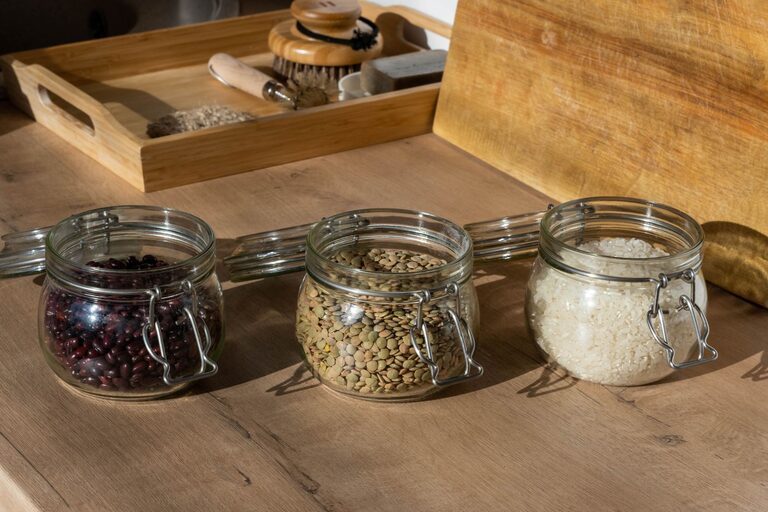
– Use clear containers: Store grains, pasta, and dried goods in see-through jars.
– Label everything: Helps quickly identify ingredients.
– Group by type: Keep baking supplies, canned goods, and snacks together.
– Place frequently used items at eye level: Makes grabbing ingredients faster.
Bonus Tips for Success
– Stock up on staples during sales: Replenish your pantry staples when prices are low.
– Keep a running shopping list: Write down items you need to restock.
– Use apps or templates: Meal planning apps can help organize your pantry meals.
– Freeze extras: If you cook more than needed, freeze portions for future meals.
Conclusion
Planning meals from pantry staples is a practical way to create quick, nutritious, and budget-friendly dishes. With a clear inventory, versatile staples, and simple meal ideas, you can enjoy homemade meals anytime without stress. Start by organizing your pantry today and explore new recipes that make the most of the ingredients you already have. Your kitchen will thank you!
About the Author