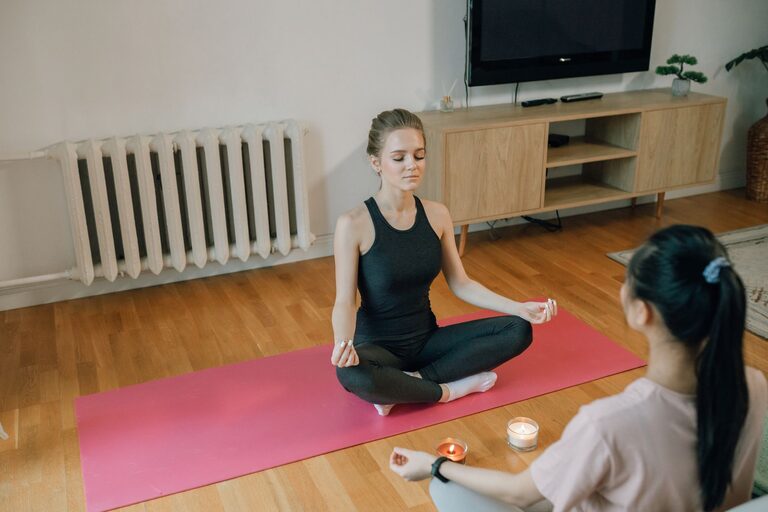

Mindful walking is a simple yet powerful practice that combines the benefits of walking with mindfulness meditation. It offers a gentle way to reduce stress, increase awareness, and connect with your surroundings. Whether you’re new to mindfulness or looking for a calming activity, mindful walking can be a great addition to your daily routine.
What Is Mindful Walking?
Mindful walking is the practice of walking while paying close attention to the experience of your steps and your environment. Instead of rushing from one place to another, you slow down and focus on the present moment. This includes noticing the sensation of your feet touching the ground, the rhythm of your breath, and the sights and sounds around you.
Unlike regular walking, mindful walking is less about reaching a destination and more about being fully present in the act of walking itself.
Benefits of Mindful Walking
Mindful walking offers many benefits for both the mind and body:
– Reduces Stress: By focusing on the present, you help calm racing thoughts and worries.
– Improves Concentration: Mindful walking strengthens your ability to concentrate and be aware of the moment.
– Enhances Mood: The combination of gentle exercise and mindfulness can boost your mood and energy levels.
– Connects You with Nature: Walking mindfully outdoors helps you appreciate your environment and feel more grounded.
– Promotes Physical Health: Walking itself is good for cardiovascular health, and doing it mindfully adds relaxation benefits.
How to Start Mindful Walking: A Step-by-Step Guide
If you’re ready to try mindful walking, follow these simple steps to get started:
1. Choose Your Walking Space
Find a quiet, safe place where you can walk comfortably without too many distractions. It could be a park, a quiet street, a garden, or even indoors if needed.
2. Set a Time Limit
Start with 5-10 minutes, especially if you’re new to mindfulness. You can gradually increase this time as you get more comfortable.
3. Begin by Standing Still and Breathing
Before you start walking, stand still and take a few deep breaths. Notice how your body feels and the contact of your feet with the ground. This helps shift your attention to the present moment.
4. Start Walking Slowly and Notice Your Steps
Walk at a slower pace than usual. Pay attention to the lifting, moving, and placing of each foot. Feel the movements in your legs and feet.
5. Use Your Senses to Engage With Your Surroundings
Notice the colors, shapes, sounds, smells, and textures around you. For example, listen to birds, feel the breeze on your skin, or observe the leaves on the trees.
6. Bring Your Mind Back When It Wanders
It’s normal for your mind to drift to other thoughts. When you notice this, gently guide your attention back to the sensations of walking or your surroundings without judgment.
7. Finish by Standing Still Again
At the end of your walk, stand still for a moment. Take a few breaths and notice how you feel. This helps you transition back to your regular activities with a sense of calm.
Tips for a Successful Mindful Walking Practice
To make the most of mindful walking, keep these tips in mind:
– Wear Comfortable Shoes: Choose footwear that allows you to walk comfortably and safely.
– Choose a Time with Minimal Distractions: Early morning or late afternoon can be good times to enjoy quiet surroundings.
– Focus on One Thing at a Time: Concentrate on your steps first, then expand to other sensations and sights.
– Keep Your Posture Relaxed: Walk with a straight back but relaxed shoulders.
– Practice Regularly: Even a few minutes each day can build your mindfulness skills over time.
– Combine With Other Mindful Practices: Pair mindful walking with breathing exercises or gentle stretching for added benefits.
When to Practice Mindful Walking
Mindful walking can be practiced anytime you want to bring calm or clarity to your day. Here are some ideal moments:
– After waking up to start your day with intention.
– During a break at work to refresh your mind.
– When feeling stressed or overwhelmed.
– As part of your exercise routine.
– Before bedtime to relax and prepare for sleep.
Troubleshooting Common Challenges
Difficulty Staying Focused
If you find your mind wandering often, try counting your steps silently or coordinating each step with your breath. This anchors your attention more firmly.
Feeling Self-Conscious in Public
Remember, mindful walking is a private practice. Focus inward and don’t worry about what others might think. Over time, confidence will grow.
Physical Discomfort
If you have any physical limitations, adjust your pace, distance, or walking surface to ensure comfort and safety.
Conclusion
Mindful walking is an accessible and enjoyable way to bring mindfulness into your daily life. It requires no special equipment and can be done almost anywhere. By slowing down and paying attention to your steps and surroundings, you can reduce stress, boost your mood, and deepen your connection with the present moment. Start small, be patient with yourself, and enjoy the journey one step at a time.
About the Author