
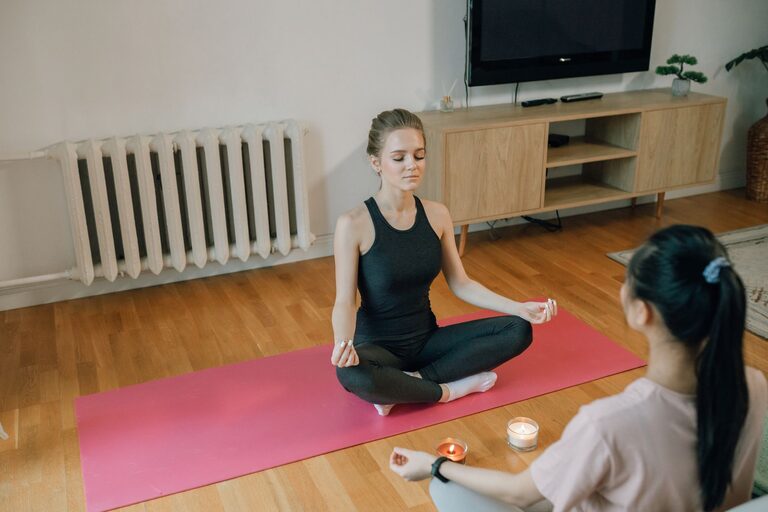
Taking mindful breathing breaks is a simple yet powerful way to reduce stress, improve concentration, and enhance overall well-being. Whether you’re working at a desk, caring for family, or managing a busy schedule, short breathing exercises can help you reset and recharge. If you’re new to mindfulness or unsure how to get started, this guide offers beginner-friendly tips to make mindful breathing a natural part of your day.
What Is Mindful Breathing?
Mindful breathing means paying attention to your breath in a gentle, non-judgmental way. It involves focusing on the sensation of breathing — noticing the air as it enters and leaves your nose or mouth, feeling your chest or belly rise and fall. This practice helps anchor your attention in the present moment and can calm busy thoughts.
You don’t need any special equipment or a quiet room—mindful breathing can be done anywhere, anytime.
Why Take Mindful Breathing Breaks?
Breathing breaks offer many benefits, including:
– Reducing stress: Deep, intentional breathing triggers your body’s relaxation response.
– Enhancing focus: Taking brief pauses helps refresh your mind and improve concentration.
– Lowering physical tension: Deep breaths relax muscles and release built-up tension.
– Improving mood: Mindfulness encourages a calmer, more positive outlook.
– Supporting overall health: Regular mindful breathing can lower blood pressure and reduce anxiety symptoms.
How to Start Mindful Breathing Breaks: Beginner Tips
1. Set Small, Manageable Goals
Start with just 1 to 3 minutes per break, especially if you’re new to mindfulness. You can gradually increase the time as you become more comfortable with the practice.
2. Find a Comfortable Position
Sit or stand comfortably with your back straight but relaxed. You can also lie down if that’s easier. Rest your hands on your lap or by your sides.
3. Use a Timer
Set a gentle alarm or use a mindfulness app to time your breathing break. This helps you focus without worrying about the clock.
4. Focus on Your Natural Breath
Don’t try to control your breathing. Simply observe how air flows in and out. Notice where you feel the breath most — your nose, chest, or belly.
5. Try Counting Your Breath
To help maintain focus, you can count each breath cycle silently. For example, inhale and exhale equals one count. Count up to 5 and then start again.
6. Accept Distracting Thoughts
It’s normal for your mind to wander. When this happens, gently bring your attention back to your breath without judgment.
7. Practice Regularly
Aim to take mindful breathing breaks 2 to 4 times a day. Consistency builds the habit and strengthens the calming effect.
Simple Mindful Breathing Exercises for Beginners
Basic Breath Awareness
- Sit comfortably and close your eyes if you like.
- Take a few deep breaths to relax your body.
- Breathe naturally and simply observe each breath.
- Notice the rhythm, temperature, and feeling of the air.
- Continue for 2 to 3 minutes.
- Inhale quietly through your nose for a count of 4.
- Hold your breath for a count of 7.
- Exhale completely through your mouth for a count of 8.
- Repeat for 3 to 4 cycles.
4-7-8 Breathing Technique
This method helps slow the breath and activates relaxation.
Belly Breathing (Diaphragmatic Breathing)
- Place one hand on your chest and the other on your belly.
- Breathe in deeply through your nose, feeling your belly rise.
- Exhale slowly through your mouth, feeling your belly fall.
- Focus on the movement of your belly rather than your chest.
- Continue for 3 to 5 minutes.
Tips to Incorporate Mindful Breathing Into Daily Life
– Attach breathing breaks to daily routines: Try them before meals, after checking emails, or before bed.
– Use reminders: Sticky notes or phone alerts can prompt you to pause and breathe.
– Create a peaceful space: If possible, have a quiet corner or chair where you can sit comfortably.
– Combine with gentle stretches: Adding light movement can enhance relaxation.
– Practice gratitude: After breathing, take a moment to think of something positive.
Common Challenges and How to Overcome Them
– Difficulty focusing: It’s normal to feel distracted. Use counting or an app to help maintain attention.
– Impatience: If your mind races, remind yourself that mindfulness improves with practice.
– Uncomfortable feelings: If deep breathing feels uncomfortable, start with shorter sessions or simply observe natural breath without trying to deepen it.
– Forgetfulness: Build habits by linking breath breaks to regular activities or setting phone alerts.
Final Thoughts
Mindful breathing breaks offer a simple way to find calm moments in a busy day. With regular practice, they can improve your mental clarity, emotional balance, and physical relaxation. Start small, be patient with yourself, and enjoy the gentle power of mindful breath.
Remember, the goal isn’t perfection but presence—being here, right now, one breath at a time.
About the Author