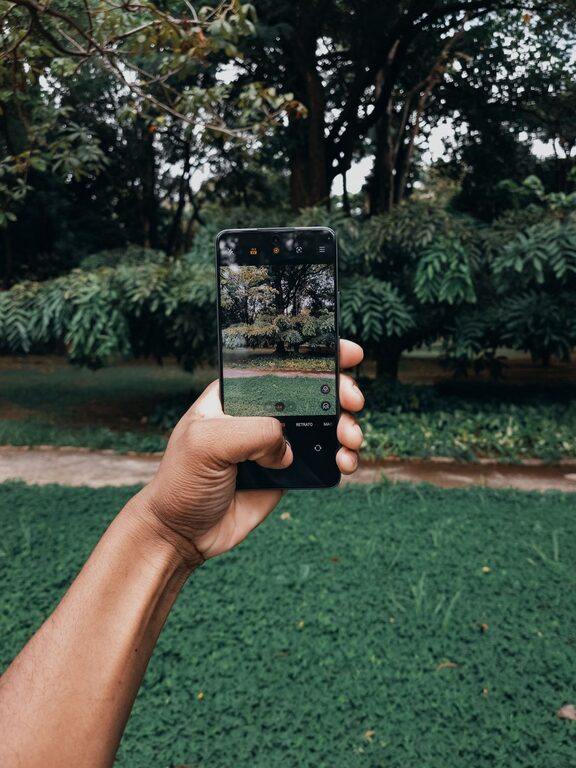
Taking great photos with your phone is easier than ever. Modern smartphones come equipped with powerful cameras that can capture beautiful images, but knowing a few key tips can help you make the most of your device. Whether you’re new to photography or just want to improve your mobile shots, this guide will walk you through beginner-friendly suggestions to help you take better phone photos.
Understanding Your Phone Camera
Before diving into techniques, it helps to get familiar with your phone’s camera features.
– Explore camera settings: Open your camera app and see what options are available. Look for settings like HDR (High Dynamic Range), grid lines, shutter speed, and exposure adjustment.
– Clean your lens: It sounds simple, but phone lenses often get smudged, making photos less sharp. Use a soft cloth to wipe the lens before shooting.
– Check your phone’s camera specs: Some phones have multiple lenses for wide-angle or zoom shots. Experiment with these to find what works best in different situations.
Composition Tips to Improve Your Photos
Composition plays a big role in making photos visually appealing. Here are some basic rules and tips for beginners:
Use the Rule of Thirds
Many phone cameras have a grid option. Turning this on divides the frame into nine equal parts. Place your main subject along these lines or at their intersections to create balanced and interesting photos.
Focus on Your Subject
Tap the screen where your subject appears to focus the camera. This ensures that the most important part of your photo is sharp and clear.
Keep it Simple
Avoid cluttered backgrounds that distract from your subject. A clean and simple backdrop often makes your photo stand out more.
Change Your Perspective
Don’t always take photos at eye level. Try shooting from different angles — get low to the ground, shoot from above, or move around your subject to find unique perspectives.
Lighting Basics
Good lighting is essential for great photos. Here’s how to manage it effectively:
– Use natural light whenever possible. Early morning and late afternoon have soft, warm light that flatters most subjects.
– Avoid harsh midday sunlight. It can create strong shadows and overexposed highlights.
– Turn off your phone’s flash unless necessary. The built-in flash often produces unnatural light and harsh shadows.
– If shooting indoors, position your subject near windows to use natural light.
How to Steady Your Shot
Blurry photos can spoil a great picture. To keep your shots sharp:
– Hold your phone with both hands.
– Rest your elbows against your body.
– Consider leaning against a sturdy surface.
– Use the volume buttons or a timer instead of tapping the screen to avoid shaking.
Experiment with Camera Modes and Features
Modern smartphones include various modes that can enhance your photos:
– Portrait Mode: Creates a blurred background to emphasize your subject.
– Panorama: Great for capturing wide landscapes.
– Night Mode: Helps in low-light situations.
– Pro or Manual Mode: Lets you control settings like ISO, shutter speed, and white balance if you want more control.
Try experimenting with these modes to see what fits your style best.
Basic Editing Tips
Editing your photos can make a big difference. Most phones include simple editing tools that allow you to:
– Crop and straighten the image.
– Adjust brightness, contrast, and saturation.
– Apply filters for a different mood or tone.
– Remove red-eye or minor blemishes.
Keep edits natural and avoid over-processing, which can make photos look unrealistic.
Practice Makes Perfect
Like any skill, improving phone photography takes practice. Try these ideas to build your confidence:
– Challenge yourself to take a photo a day.
– Study photos you admire and try to replicate their style.
– Share your photos with friends or online communities and ask for feedback.
– Experiment with different subjects—nature, people, architecture, and close-ups.
Final Thoughts
Taking better phone photos doesn’t require expensive equipment or advanced knowledge. By understanding your camera features, paying attention to composition and lighting, and practicing regularly, you can capture beautiful images that you’ll be proud to share. Remember, the most important part is to have fun and enjoy the creative process!
Happy shooting!
About the Author