Creating a relaxing home workspace is essential for anyone looking to balance comfort with productivity. A well-designed space not only helps you focus but also reduces stress and enhances overall work satisfaction. Whether you are working remotely full-time or just need a quiet corner for occasional tasks, setting up a calming environment can make a big difference.
In this guide, we’ll walk you through practical tips and ideas to create a home workspace that invites relaxation and efficiency.
Why a Relaxing Workspace Matters
Your workspace environment has a direct impact on your mental and physical well-being. A cluttered or noisy area can cause distractions, stress, and fatigue. Conversely, a calm and organized space helps you stay centered, motivates you to work efficiently, and can even boost creativity.
By designing a relaxing home workspace, you set the tone for your workday and improve your ability to concentrate.
Choosing the Right Location
Find a Quiet Spot
Look for a part of your home with minimal noise and foot traffic. This could be a spare room, a corner of the bedroom, or a nook near a window. The quieter the area, the easier it will be to focus.
Prioritize Natural Light
Natural light has a positive effect on mood and alertness. Position your desk near a window if possible. If natural light is limited, consider using soft, warm artificial lighting that mimics daylight.
Keep It Separate
If space allows, try to keep your workspace separate from relaxation areas. This helps your brain associate the space with work, making it easier to switch into productivity mode.
Declutter and Organize
A clean workspace promotes clarity and calmness. Follow these steps:
– Clear the Desk: Only keep items you use daily on your desk.
– Use Storage Solutions: Invest in shelves, drawers, or organizers to tuck away documents and supplies.
– Digital Declutter: Organize your computer desktop and files for easier access.
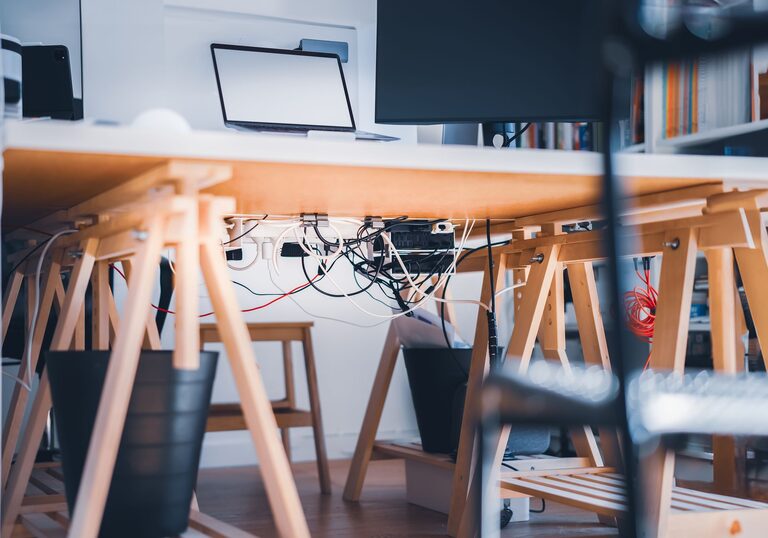
– Cable Management: Use clips or ties to keep cords neat and out of sight.
Choose Comfortable Furniture
Ergonomics are key to a relaxing workspace. Consider these tips:
– Ergonomic Chair: Invest in a chair with good lumbar support to prevent back pain.
– Desk Height: Your desk should allow your elbows to rest at a 90-degree angle.
– Footrest: If your feet don’t touch the floor comfortably, use a footrest.
– Adjustable Setup: Consider a sit-stand desk to change positions throughout the day.
Add Calming Elements
Incorporate features that promote relaxation and reduce stress:
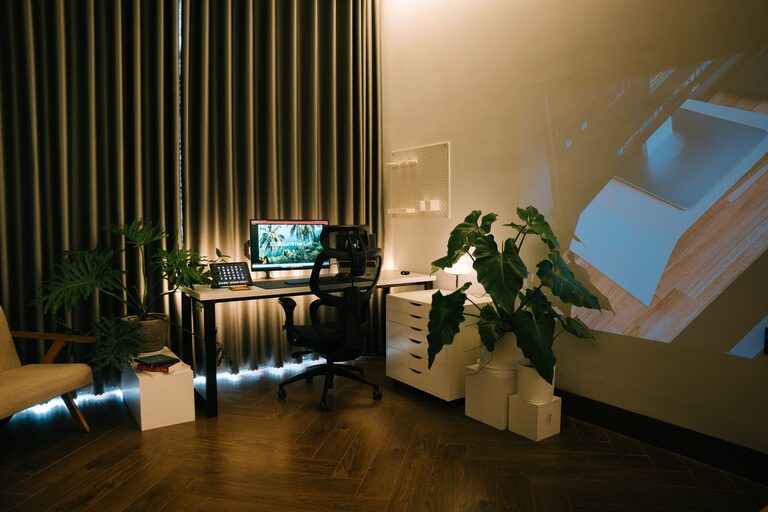
– Plants: Greenery adds life to your space and can improve air quality.
– Soft Textiles: Use cushions or a cozy rug to soften the area.
– Personal Touches: Photos, artwork, or meaningful objects can make the space inviting.
– Essential Oils or Diffusers: Scents like lavender or eucalyptus may help you feel calm.
Manage Noise and Distractions
In addition to a quiet location, you can control noise and interruptions:
– Noise-Canceling Headphones: Useful for blocking out background sounds.
– White Noise Machine or Apps: These produce soothing sounds that mask distractions.
– Set Boundaries: Communicate with household members about your work hours.
Optimize Lighting
Proper lighting helps reduce eye strain and keeps you alert.
– Task Lighting: Use desk lamps with adjustable brightness for detailed work.
– Avoid Glare: Position screens perpendicular to windows and use shades if necessary.
– Warm vs. Cool Light: Cooler light (bluish) is energizing, while warmer light (yellowish) is relaxing; balance based on your work style.
Keep Hydrated and Take Breaks
A relaxing workspace isn’t just about the physical setup—your habits matter too.
– Water Bottle: Keep a refillable bottle nearby to stay hydrated.
– Break Schedule: Take short breaks every hour to stretch, walk, or rest your eyes.
– Mindfulness Practices: Use a few minutes for deep breathing or meditation to refresh your mind.
Personalize Your Workspace Wisely
While personalization is encouraging, keep in mind:
– Avoid excessive clutter that can overwhelm.
– Choose calm colors and simple decorations.
– Rotate items seasonally to keep the space feeling fresh.
Conclusion
Designing a relaxing home workspace is a thoughtful process that combines organization, comfort, and personal touch. By choosing the right location, investing in ergonomic furniture, adding calming elements, and managing distractions, you can create an environment that supports your focus and well-being.
Remember, your workspace should evolve as your needs change, so feel free to make adjustments over time to maintain a balanced and peaceful atmosphere.
—
A relaxing workspace is one of the best investments you can make for your home office routine. Start with small changes today and enjoy a more focused, stress-free workday!
About the Author